Embracing Kindness in Business: Lessons from Jimmy Fallon
In today’s business landscape, where financial success often trumps interpersonal relations, I’ve solidified my appreciation of the…


In today’s business landscape, where financial success often trumps interpersonal relations, I’ve solidified my appreciation of the transformative power of a kinder approach.
Especially during the last decade, I have become very introspective and have spent much time working to improve myself through education, meditation, reading, writing, or trying new activities. During one of these moments, I realized that I had been subconsciously employing lessons in kindness that I observed while watching Jimmy Fallon. It wasn’t just his jokes that caught my attention; it was how he interacted with his guests. He listened with genuine interest, responded with thoughtful humor, and always seemed to create a space where his guests felt valued and relaxed. He consistently embodies a unique blend of humor, respect, and empathy, which I’ve realized is more than just compelling entertainment — it’s a blueprint for enriching the corporate world.
This revelation led me down a path of reflection about my leadership style. I began to see parallels between the dynamics of Fallon’s show and those of my mentors and the best leaders I have had the pleasure of working with throughout my career.
Humor: The Unifier
Humor, especially of the self-deprecating kind that Fallon employs, is a powerful unifier. It’s not just about making people laugh; it’s about creating an environment where laughter is a shared experience, dissolving hierarchies and fostering a sense of equality. In the boardroom or during team meetings, humor can be a strategic tool to lighten the mood, encourage creative thinking, and break down barriers that often stifle innovation and openness.
This approach can quickly improve meeting dynamics and may also be a catalyst for improving team culture. It may sound silly to think that a joke can make such a difference, but I am confident that most of your favorite people are those you can laugh with.
I will offer caution here as well. As was pointed out to me several years ago by a good friend and colleague, the use of too much humor can be exhausting and distracting. This is especially poignant in a global setting, where English may be a second or third language, and your meaning may be missed due to cultural relevance.
The Art of Respect
Respect is an art that Fallon masters effortlessly. He treats everyone on his show with a level of esteem that elevates the conversation. In business, this translates to respecting not just the hierarchy but every individual’s contribution. Respecting diverse opinions, backgrounds, and skills can create a more inclusive and dynamic workplace where ideas flourish and people feel valued.
This is not just about being polite; it is about showing genuine respect for others’ ideas and contributions, which inspires more open and innovative thinking.
Empathy: Beyond Understanding
Empathy in business is more than just understanding others’ feelings; it’s about actively acknowledging and responding to them. Fallon’s empathetic approach to his guests — sharing their joys and sorrows — can guide managers and leaders. An empathetic leadership style can lead to stronger team bonds, heightened morale, and a more supportive work environment, vital for personal and professional growth.
Think about your career; think about the leaders you respect the most, the ones you would work for again in a heartbeat. Did they truly know you and the others members of their team, did they care about you, did they remember the names of your family members and acknowledge significant events in your life. You’re probably smiling at this point while thinking about those exceptional leaders who helped shape your career and who you are.
Authenticity in Leadership
The more I watched Fallon, the more I realized the importance of authenticity in building connections. His genuine reactions and interactions with guests didn’t just make for good TV; they created a sense of trust and warmth. This hallmark of Fallon’s style is crucial in business leadership.
An authentic leader is transparent, honest, and consistent. This authenticity fosters trust and loyalty among team members and stakeholders. When leaders are genuine in their interactions, it encourages a culture of openness and honesty, which is crucial for a healthy work environment and for navigating the complexities of business challenges.
Applying this to my professional life, I stopped trying to be who I thought others wanted me to be, allowing my true self to come through in my interactions. This is not a vulnerability or a weakness but a strength that helped build deeper connections with my colleagues and clients. I am comfortable with myself, I am not perfect, which is a good thing, as I continue to push myself to be better.
Generosity: The Ripple Effect
But the most striking lesson from Fallon is his generosity. He often lets his guests shine, sharing the spotlight and celebrating their successes. In a business context, this is a refreshing approach.
Generosity in leadership can have a ripple effect on the whole of the business. Leaders who celebrate their team’s achievements and share credit generously cultivate a sense of community and collaboration. This approach boosts morale and encourages team members to support each other, creating a more cohesive and productive team.
In my early career, I often felt a need to speak frequently and share my opinions freely to be heard and noticed. I was told to always take credit and position myself to be seen. As I’ve grown, I have adopted the stance that God gave us one mouth and two ears for a reason: we should listen twice as much as we speak. This may also serve you well, as your questions and thoughts stop being noise and will carry more gravitas.
Sometimes you lead, sometimes you follow, and sometimes you get out of the way. In all cases, the business is moving forward, and you are using your superpowers in the best way possible to help.
The Power of Positivity
Fallon’s positivity, too, had a profound impact. His upbeat demeanor, despite challenges or mishaps, demonstrated the power of a positive outlook. In a business setting, this can be a powerful catalyst and inspire hope and resilience, essential qualities in navigating the ups and downs of business. This positivity can permeate the workplace, leading to a more optimistic and solution-focused team.
Positivity isn’t about ignoring challenges; it’s about approaching them with a constructive attitude.
Appreciation as a Motivator
Appreciation is a powerful motivator, and Fallon’s genuine admiration for his guests’ talents can be a lesson for business leaders. Recognizing and valuing employees’ efforts and achievements can significantly enhance motivation and job satisfaction.
Though it is nice for appreciation to be shown through awards, money, or promotions, the simple fact that regular acknowledgment by leaders to recognize the effort and accomplishments of their team members is meaningful, drives higher engagement and productivity, and reinforces a culture of appreciation.
Engaging with Purpose
Fallon’s engagement with his guests and audience is never superficial; it’s purposeful and attentive. In business, engaging with team members, clients, and stakeholders with similar attentiveness can lead to deeper understanding and stronger relationships. Active engagement involves listening, responding thoughtfully, and showing genuine interest in others’ perspectives, fostering a collaborative and respectful work environment.
Wrapping it Up
Incorporating these elements of kindness, inspired by Jimmy Fallon, into business practices enhances the work culture and drives sustainable success. Kindness in the corporate world is not just about being nice; it’s about building a foundation of respect, empathy, authenticity, and engagement that uplifts everyone involved.
Coming to the realization of what I have been doing over the years and writing it down has been enlightening for me. Embracing Fallon’s qualities in my professional life has reshaped my leadership style and revolutionized how I view and engage with those around me.
The lessons from Fallon extend beyond mere business interactions; they have instilled in me a deeper appreciation for the human aspect of business. Recognizing the value and potential in each interaction, whether with a team member or a client, has become a guiding principle. This approach has taught me that business success isn’t just about financial gain or market domination; it’s about building meaningful connections, nurturing a supportive and dynamic work environment, and leading with kindness, humor, and authenticity.
In a world where the pressures of performance and profitability often overshadow the importance of interpersonal connections, this shift towards a Fallon-inspired approach is essential. It serves as a reminder that, in the end, business is about people, and how we connect with, understand, and treat each other is the true measure of our success.
For me, this has been a powerful reminder of how one individual’s approach to relationships can impact an entire organizational culture. It’s a testament that kindness, respect, and authenticity are not just moral choices but strategic ones that can lead to a more fulfilling, successful, and sustainable business practice.
This is the kind of leader that I aspire to be!! I want to work for this kind of leader in the next phase of my career.
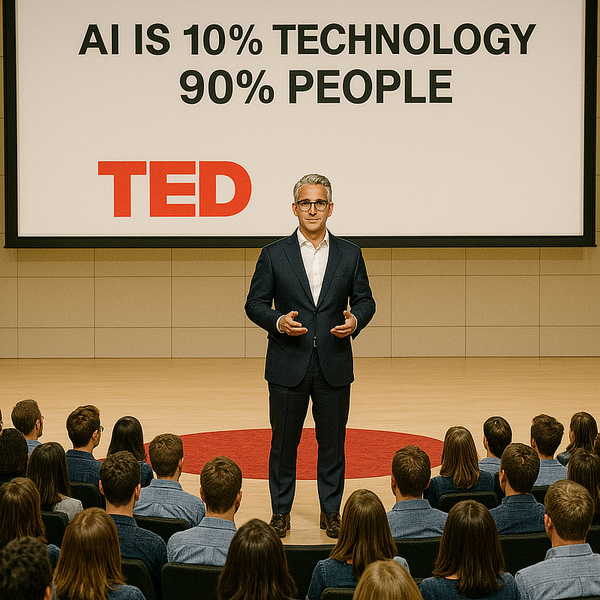
Remember that "AI is 10% Technology, 90% People."